Technical guides are editorial drafts for review. They do not replace approved equipment drawings, installation instructions or a site assessment.
Buying & SelectionJBL DOCK · PRACTICAL GUIDESStart with the right height.Product illustration
Determine the dock height from the vehicles and handling process the bay must serve. Record the range of vehicle deck heights and operating conditions before selecting the equipment or fixing the civil design.
Read guide →Buying & SelectionJBL DOCK · PRACTICAL GUIDESWhich lip fits your bay?Product illustrations
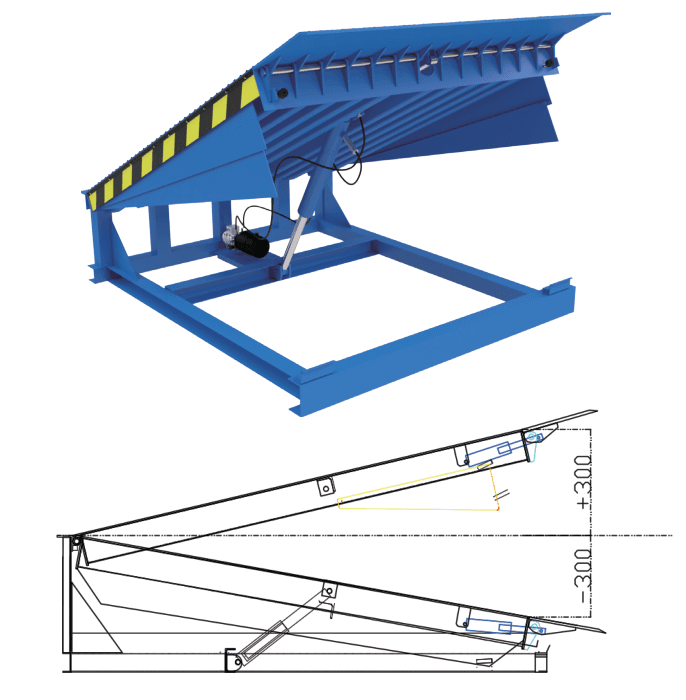
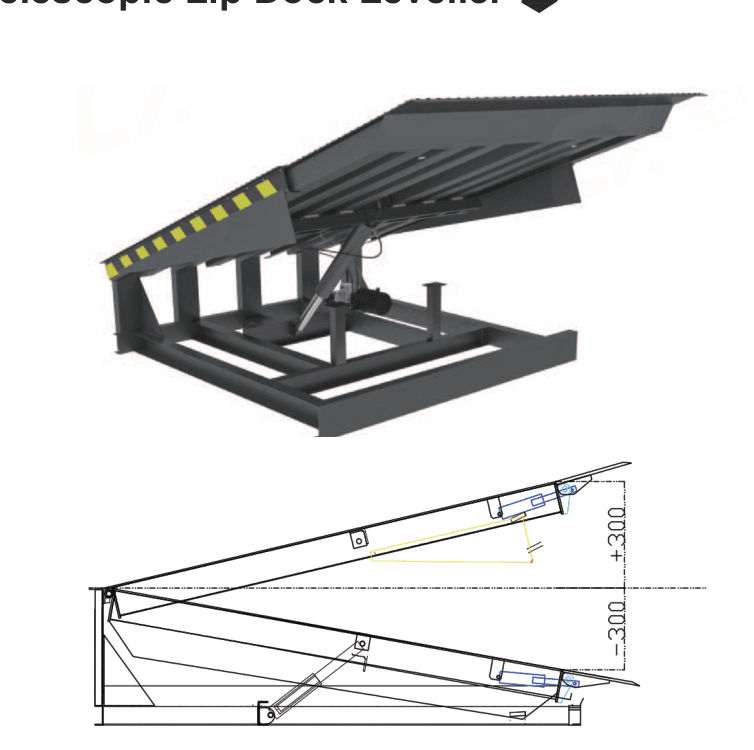
A hinged lip rotates outward from the deck; a telescopic lip extends from it. Selection depends on the vehicle interface, required reach, door arrangement and installation geometry rather than a universal preference for either type.
Read guide →Installation & InterfacesJBL DOCK · PRACTICAL GUIDESCheck the pit before you order.Supplier reference photo
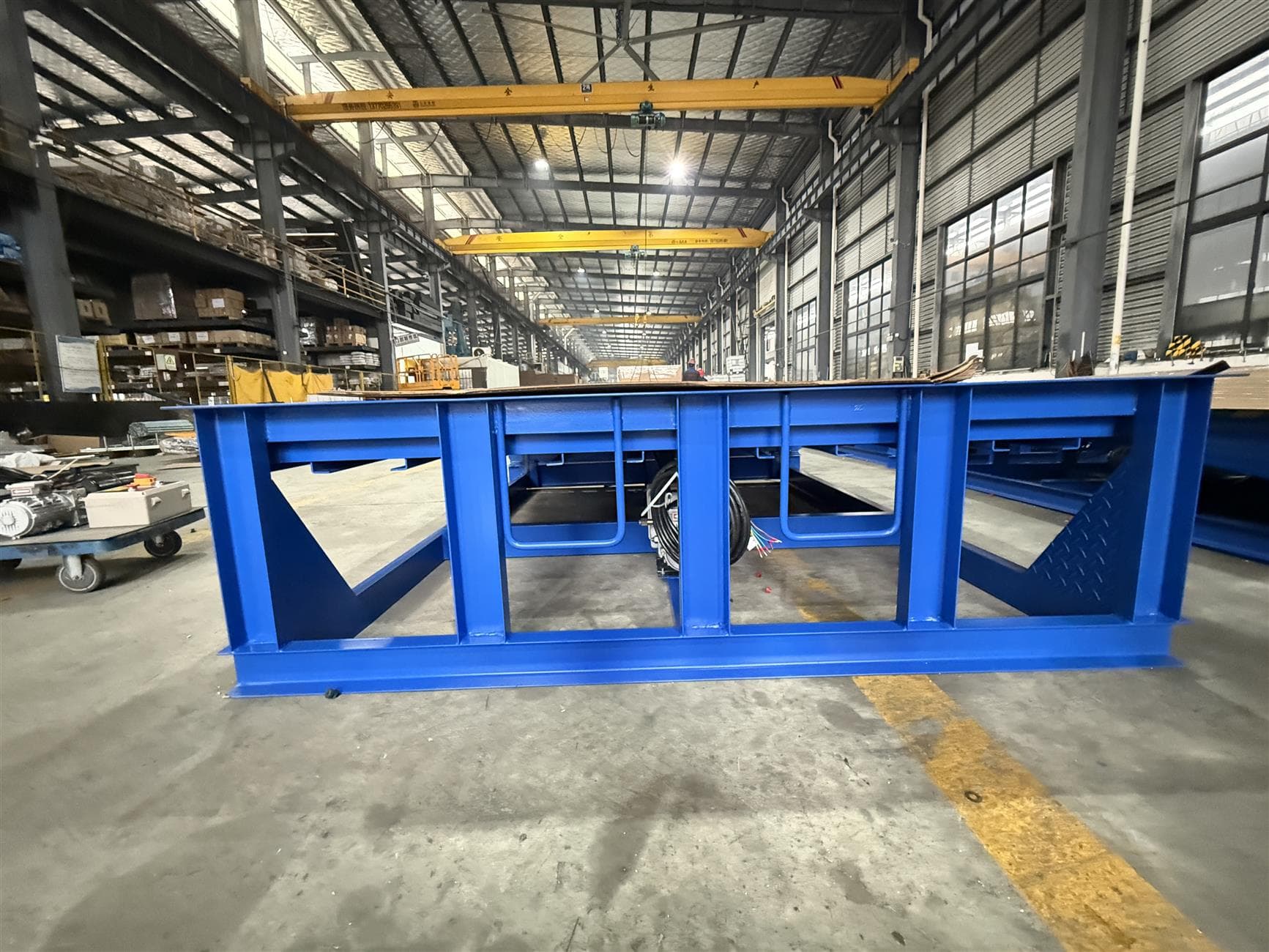
Use the approved drawing for the selected leveler to define pit and embedded-part requirements. Measure existing pits and resolve differences before ordering equipment or starting civil works.
Read guide →Applications & LayoutJBL DOCK · PRACTICAL GUIDESPlan the whole cold-chain bay.Product illustration
Plan the leveler, shelter, door and building interface together for a temperature-controlled loading bay. The equipment combination must reflect the vehicle range, operating sequence and required environmental separation.
Read guide →Buying & SelectionJBL DOCK · PRACTICAL GUIDESShelter or seal?Product illustrations
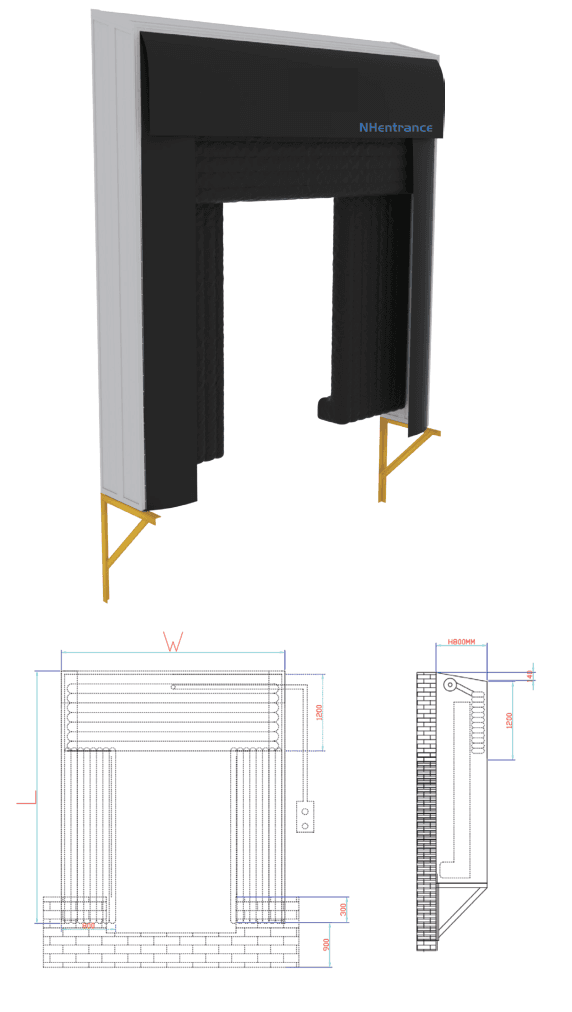
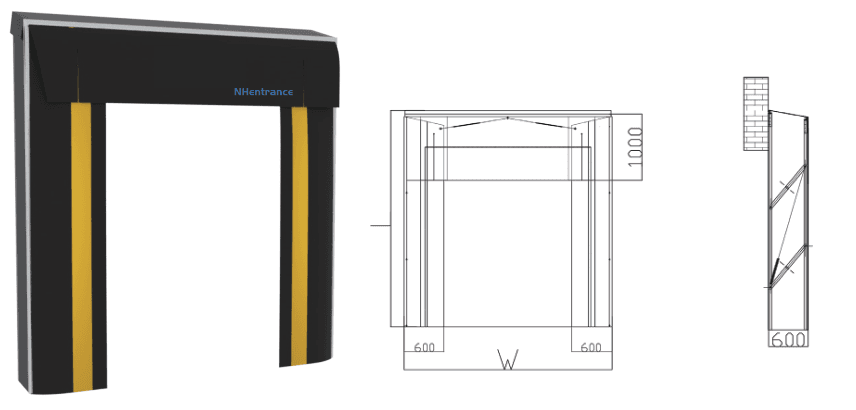
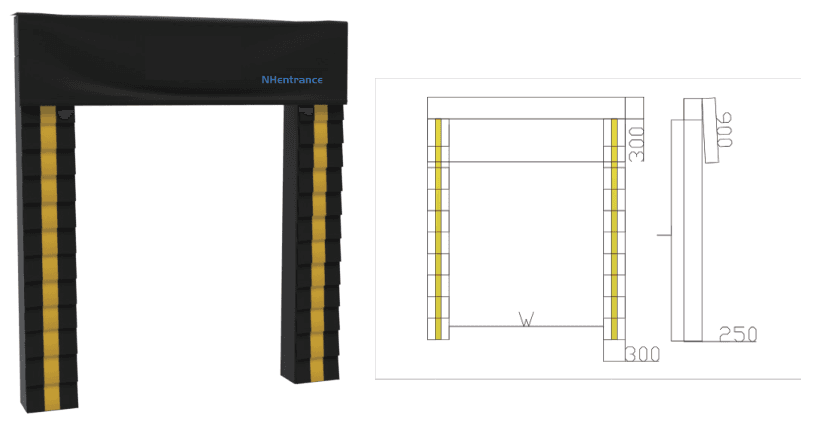
A foam dock seal uses compressible pads at the vehicle interface, while shelter arrangements use curtains or inflatable elements around the opening. Compare the vehicle fleet, contact geometry and operating conditions before choosing.
Read guide →Buying & SelectionJBL DOCK · PRACTICAL GUIDESKnow what your quote includes.Supplier reference photo
Before ordering a dock leveler, confirm the site dimensions, vehicle height range, handling equipment, proposed configuration and supply scope. Then agree the drawings, inspection records and installation responsibilities. Mark missing information as “to be confirmed” rather than treating an assumption as an approved specification.
Read guide →Maintenance & Spare PartsJBL DOCK · PRACTICAL GUIDESHelp identify the right part.Supplier reference photo
Start a dock spare parts enquiry with the equipment nameplate, a view of the complete assembly and close-up photos of the component. Include known dimensions and the required quantity. Appearance alone cannot confirm compatibility.
Read guide →Maintenance & Spare PartsJBL DOCK · PRACTICAL GUIDESKeep your equipment traceable.Supplier reference photo
Keep the equipment identity, current drawings, manufacturer instructions, inspection findings and replacement-part records together. Use the manufacturer’s maintenance schedule and a site-specific assessment; a general website checklist is not a service interval or repair instruction.
Read guide →Applications & LayoutJBL DOCK · PRACTICAL GUIDESNo fixed dock? Compare your options.Product illustrations
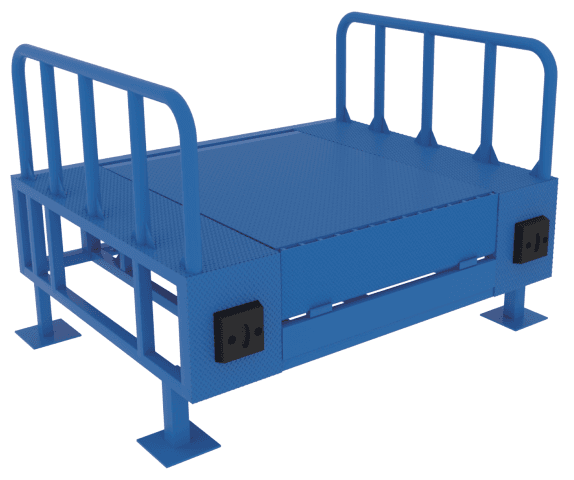
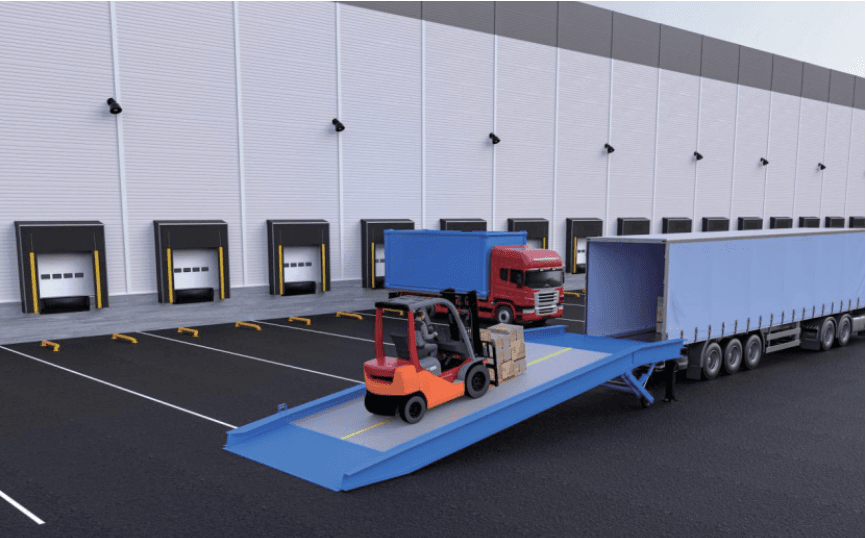
A yard ramp uses an inclined travel route; a scissor lift dock leveler changes the transfer height with a platform. Compare available space, vehicle height, handling method and load distribution before choosing an approach for a site without a fixed dock.
Read guide →Buying & SelectionJBL DOCK · PRACTICAL GUIDESMatch the table to your pallet.Product illustrations
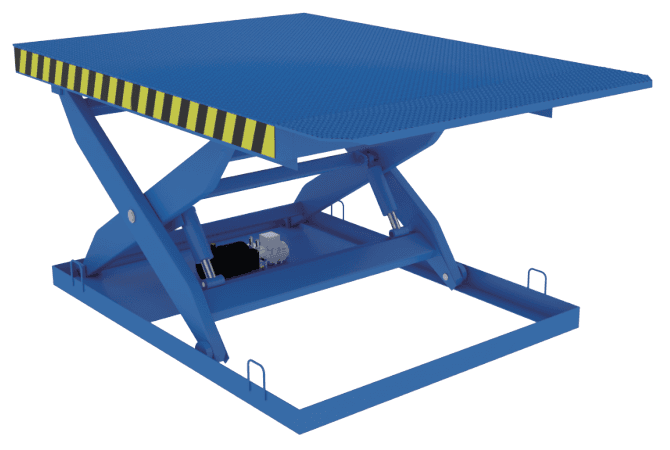
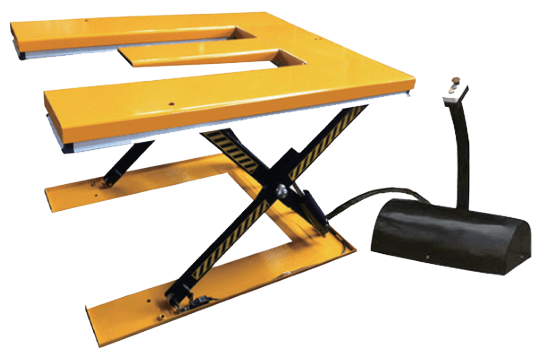
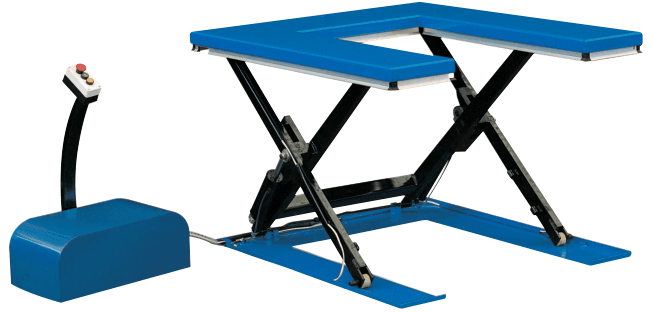
Choose a scissor lift table around the pallet or workpiece, its load distribution and the way it enters the platform. A platform shape alone does not confirm compatibility with a pallet truck, forklift or production workstation.
Read guide →Installation & InterfacesJBL DOCK · PRACTICAL GUIDESWill it fit the existing pit?Supplier reference photo
An existing pit can only be reused after its actual dimensions, condition and mounting interfaces have been checked against the proposed replacement. Matching nominal platform size is not enough. Record the current equipment, site geometry and any changes in vehicles or handling before requesting a replacement.
Read guide →Buying & SelectionJBL DOCK · PRACTICAL GUIDESCapacity is more than a label.Supplier reference photo
No. A forklift lifting-capacity label does not describe the total moving load imposed on a dock leveler. Provide the truck operating weight, attachments, maximum carried load, wheel and axle information, travel conditions and frequency. Ask the supplying manufacturer to confirm the rating basis and suitability of the proposed configuration.
Read guide →Buying & SelectionJBL DOCK · PRACTICAL GUIDESKnow what was checked.Supplier reference photo
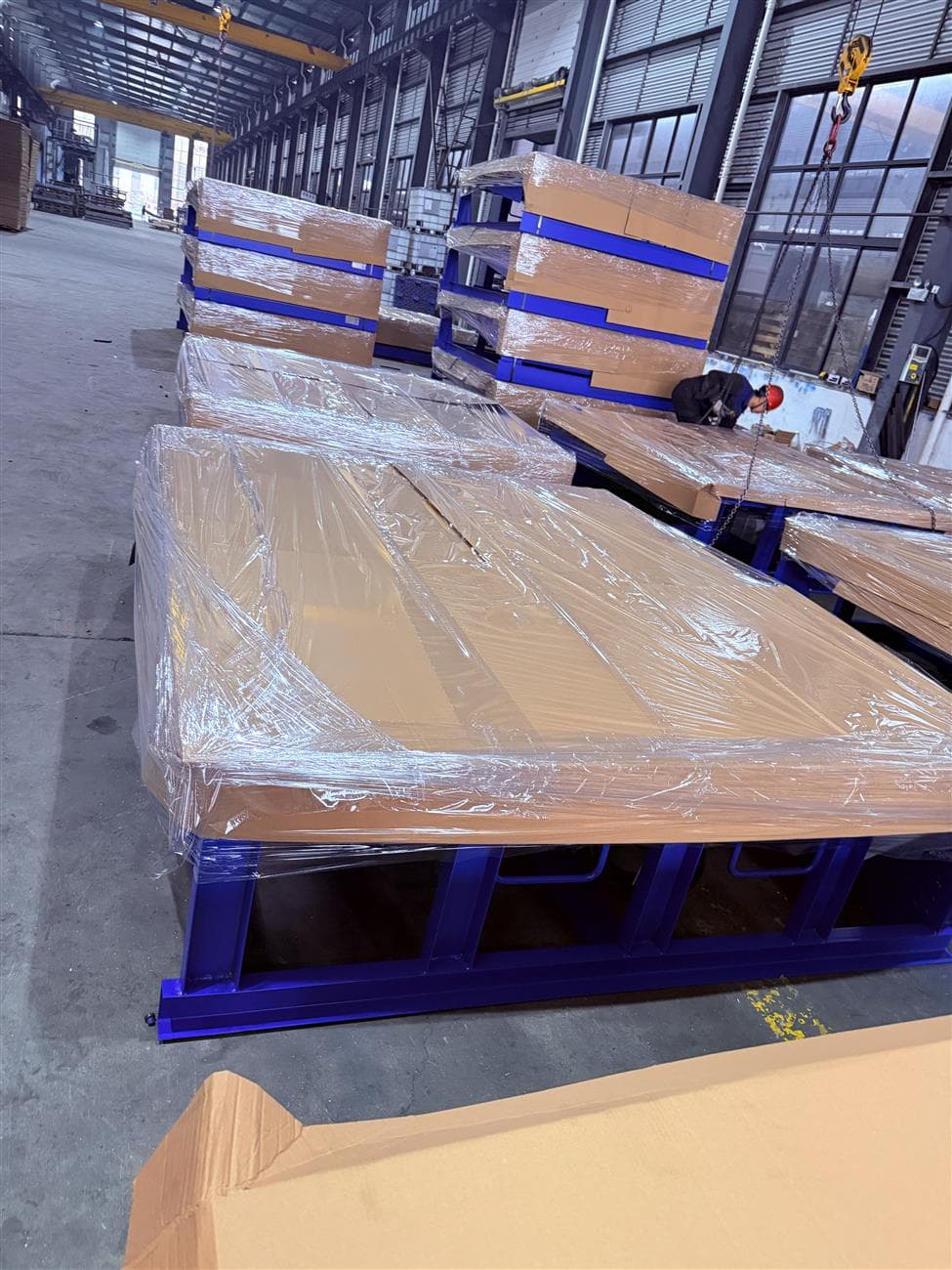
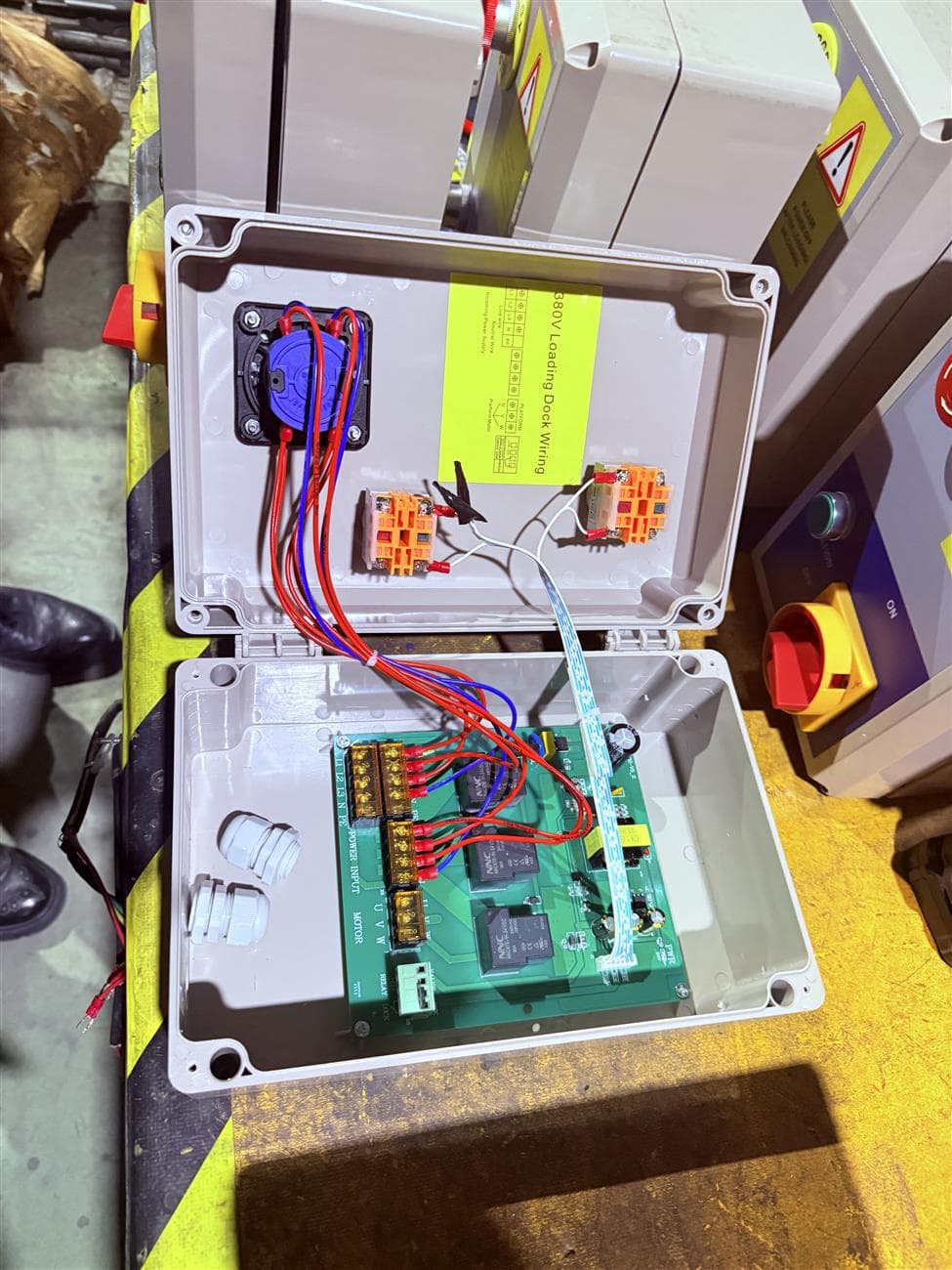
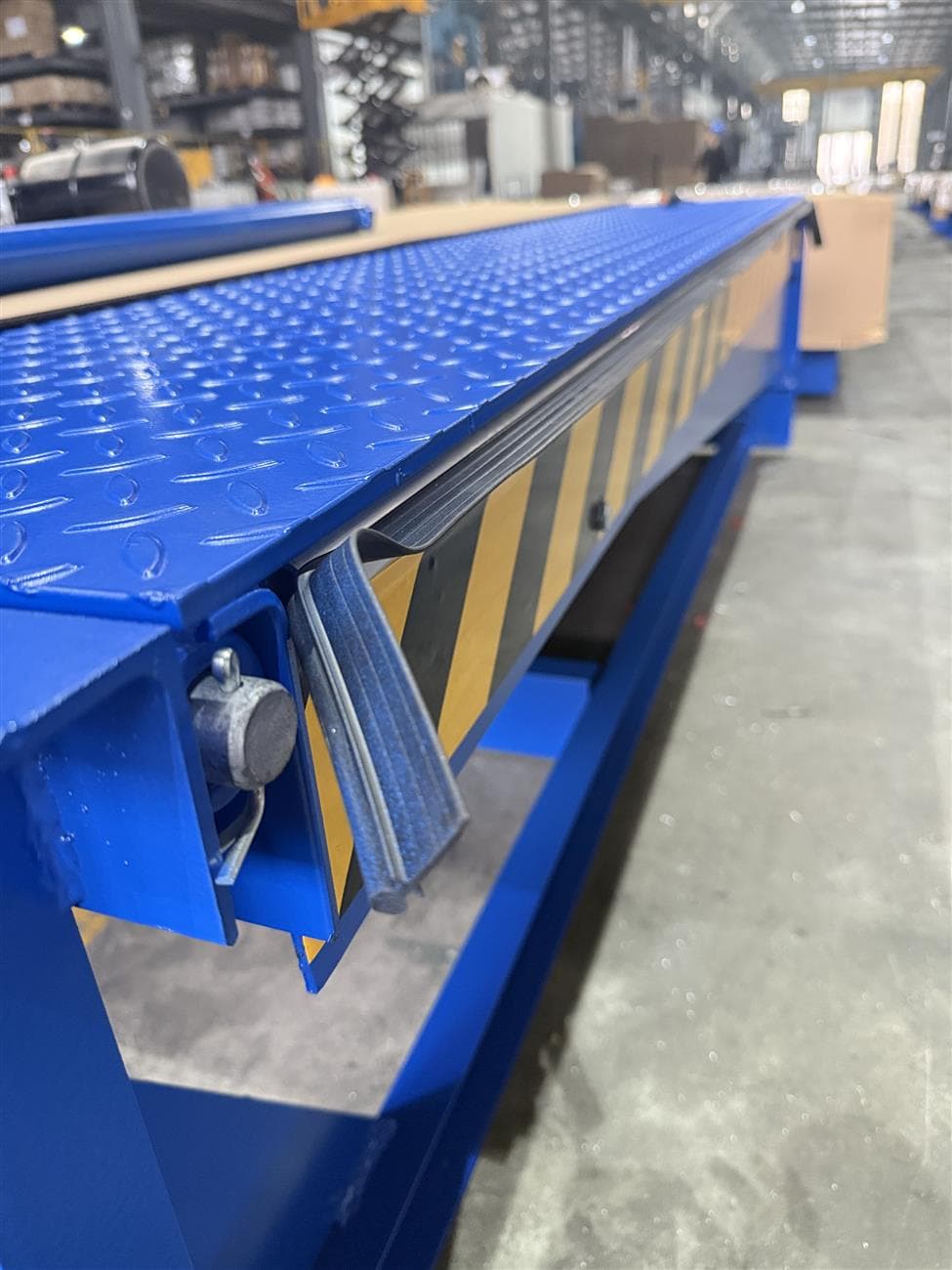
Agree inspection criteria against the order and approved drawings before inspection takes place. Identify the equipment, checked dimensions, specified components, agreed functional checks, labels and packing. Record deviations and their closure. Photos support the record but do not replace measurements, applicable tests or site commissioning.
Read guide →Buying & SelectionJBL DOCK · PRACTICAL GUIDESDifferent devices. Different roles.Product illustrations
These devices address different interfaces. A vehicle restraint requires compatibility with its specified vehicle engagement arrangement; a wheel chock acts at a wheel; a dock bumper provides a contact interface at the dock face. They are not automatically interchangeable. Selection and operating procedures require a site-specific safety review.
Read guide →Buying & SelectionJBL DOCK · PRACTICAL GUIDESCompare the scope first.Product illustrations
Dock leveler prices can describe different dimensions, construction, controls, accessories, documentation and delivery responsibilities. Put the offered configurations into the same comparison table and mark exclusions or assumptions. A headline price alone cannot establish whether two offers meet the same project requirement.
Read guide →