Build an equipment record
Identify each loading bay and list its leveler, shelter, restraint and other equipment. Link the nameplate and applicable instruction manual to each item.
Practical selection and project-planning information. Final equipment details require project confirmation.
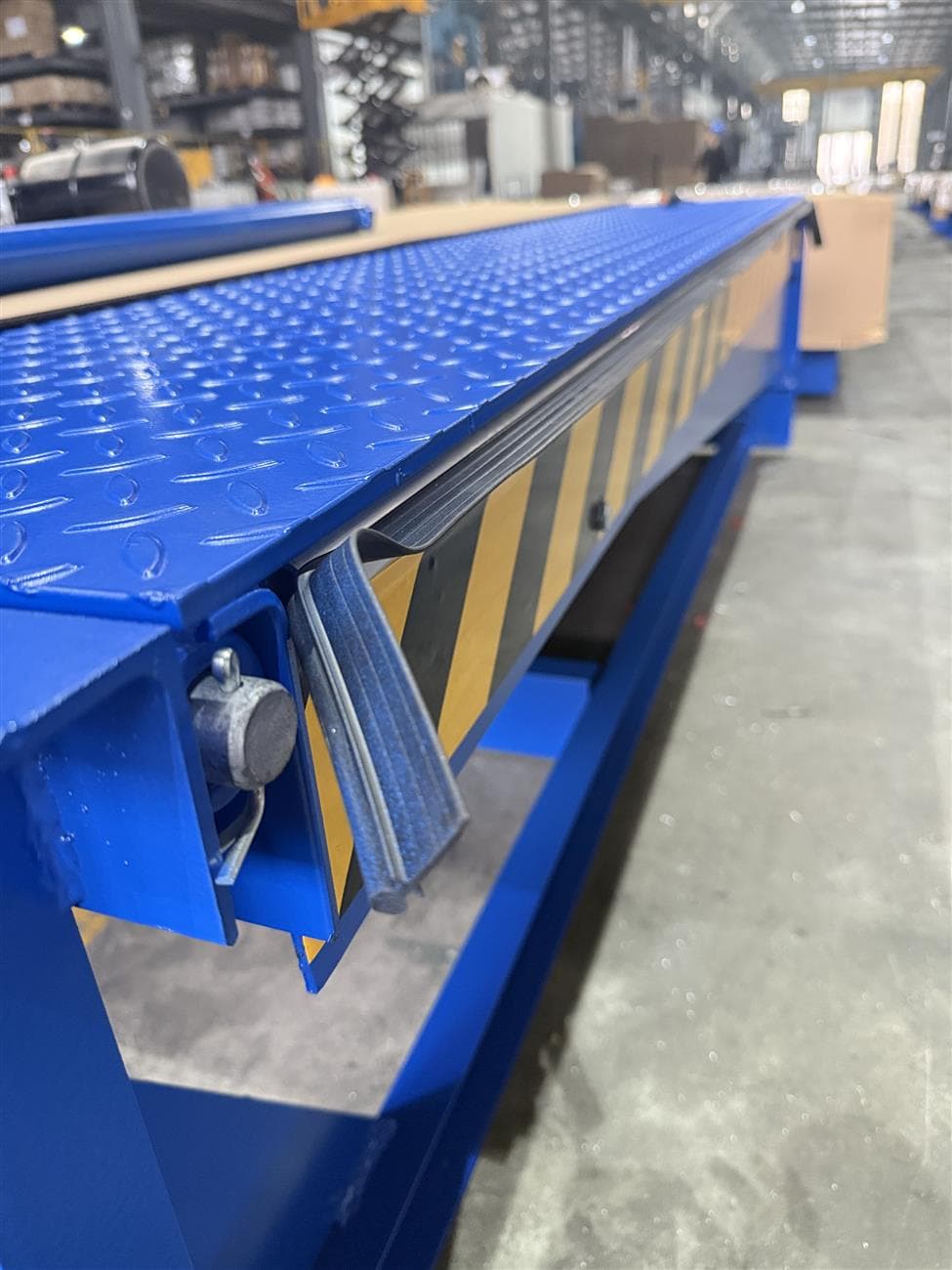
Your site has several bays and the maintenance history is spread across emails. A clear equipment record helps the next person identify what was installed, what changed and which questions remain open. It does not replace the manufacturer’s maintenance instructions.
Keep the equipment identity, current drawings, manufacturer instructions, inspection findings and replacement-part records together. Use the manufacturer’s maintenance schedule and a site-specific assessment; a general website checklist is not a service interval or repair instruction.
Identify each loading bay and list its leveler, shelter, restraint and other equipment. Link the nameplate and applicable instruction manual to each item.
Record dates, the affected equipment, visible condition, reported operating issues and the person responsible for follow-up. Avoid turning a photo into a diagnosis without an appropriate inspection.
Retain part references, drawings and service records when components are replaced. Record any changes to controls or mounting arrangements and have their implications reviewed by the appropriate qualified team.
Share the relevant nameplate and component details rather than an entire maintenance archive. Explain the issue, known dimensions and quantity. Do not include personnel or unrelated confidential information.
| Compare / record | Information to review | Decision or confirmation |
|---|---|---|
| Identity | Bay number and equipment nameplate | Link each record to the correct unit. |
| Instructions | Applicable manual and drawing revision | Keep superseded and current revisions identifiable. |
| Observation | Date, condition and reported symptom | Separate an observation from a confirmed cause. |
| Work record | Approved work and replaced part references | Record who completed and checked the work. |
| Follow-up | Open issue, owner and closure evidence | Prevent an unresolved issue disappearing between shifts. |
Do not invent a maintenance interval from a generic website article. Follow the equipment instructions and qualified site assessment. When asking for a replacement part, share the relevant technical record rather than personnel information or an unrelated maintenance archive.
Catalogue basis: JBL Dock Loading Dock Equipment Catalogue V1.2, review edition, pages 25–27. Unresolved source entries are not approved specifications.
No. A record supports traceability. Inspection, maintenance and release to use must follow the applicable instructions and competent site process.
Share your question, site photos or equipment details. Mark anything you have not yet measured — you can begin without a complete specification.
Discuss your requirements →Source basis: JBL Dock Catalogue V1.2 review edition and the website planning framework. Product selection, installation and maintenance must follow the applicable equipment documents and project review. This guide does not establish certified performance or final dimensions.
← Browse all guides