Your site, first
Share the vehicle mix, loading method and information you already have.
A focused project briefPlan dock levelers, shelters, safety equipment and replacement parts around your vehicles, site conditions and installation interfaces.
 01 / TRANSFER
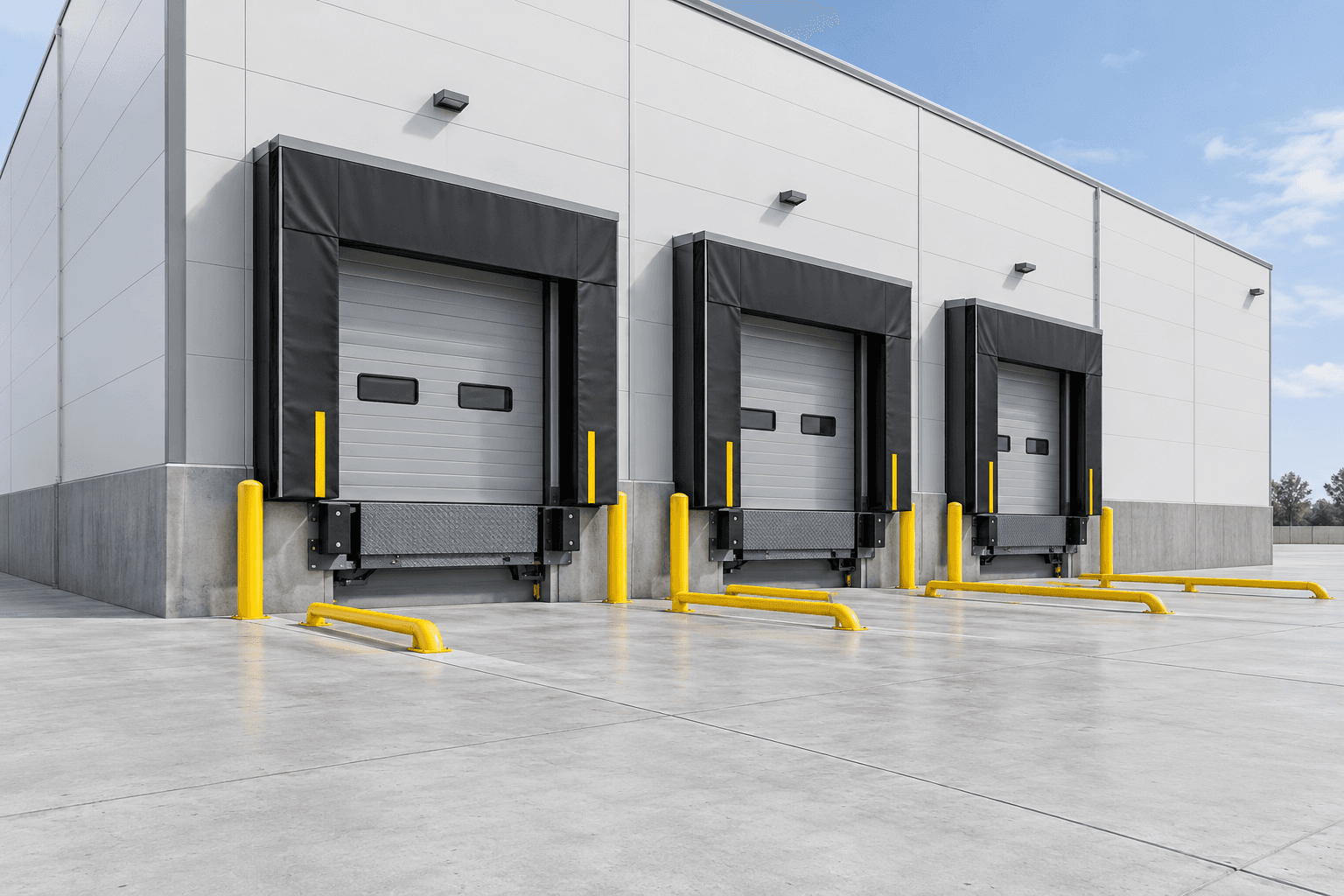
Bridge the vehicle-to-building interface.
Your vehicle, building and handling equipment all meet at the loading bay. Plan their interfaces together.
Explore the leveler, shelter, safety equipment and building interfaces.
Explore your options →Replace existing equipmentStart with the current pit, vehicle range and equipment records.
Explore your options →Identify a replacement partSee the photos, nameplate and dimensions to share for review.
Explore your options →A product name is only the starting point. These questions help define what your loading bay actually needs.
Confirm dock and vehicle heights, pit geometry and the door opening.
Review the handling equipment, vehicle mix and loading sequence.
Agree equipment, controls, documents and installation responsibilities.
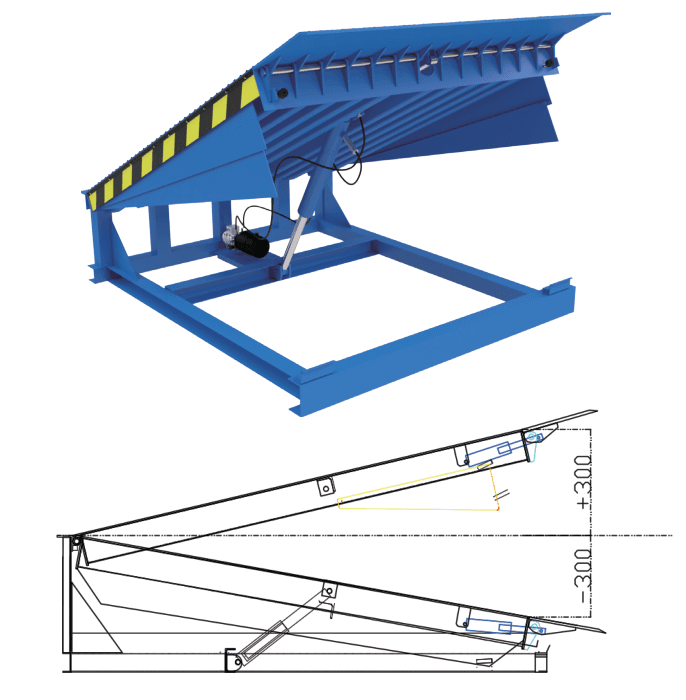
Bridge the dock-to-vehicle interface.
View equipment & selection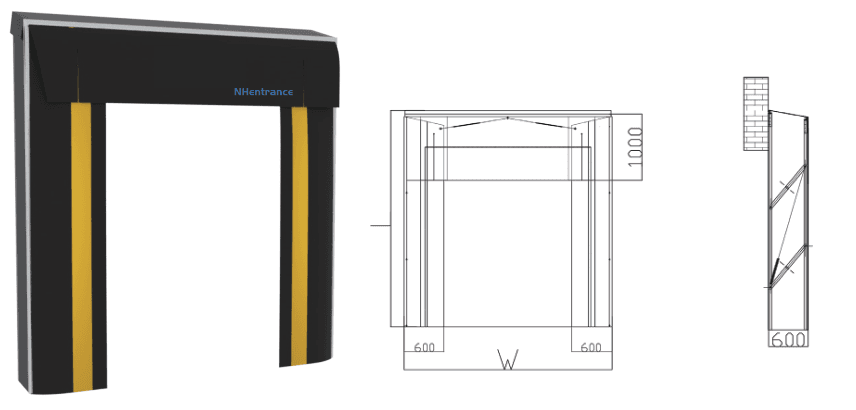
Match the opening to your vehicle fleet.
View equipment & selection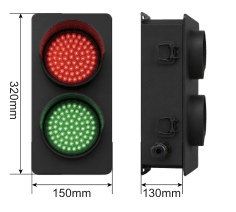
Coordinate protection and communication.
View equipment & selection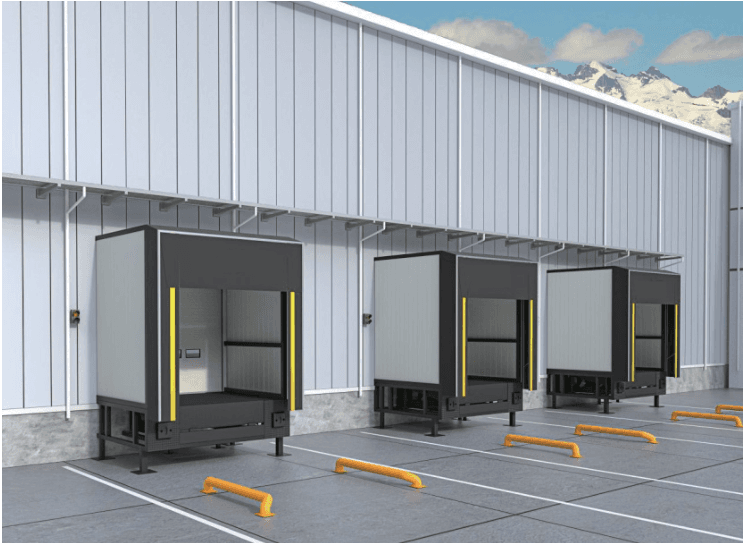
Plan an external loading bay.
View equipment & selection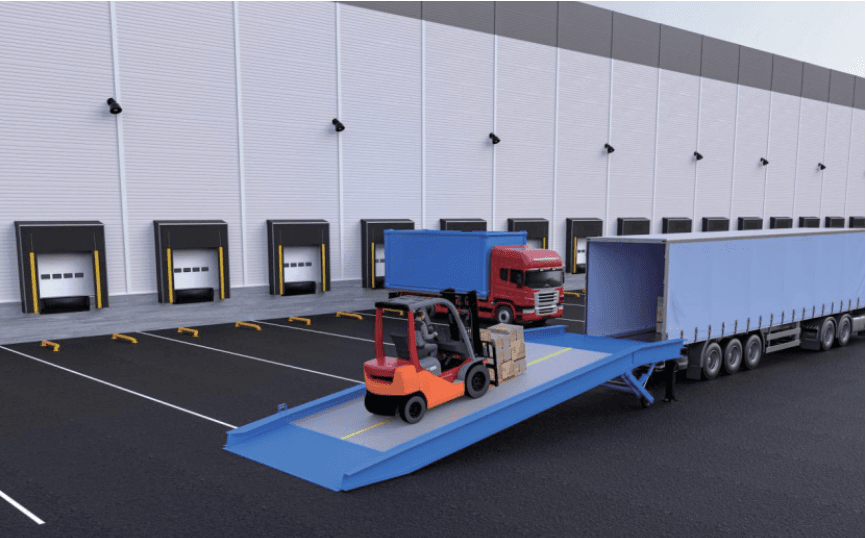
Explore loading from ground level.
View equipment & selection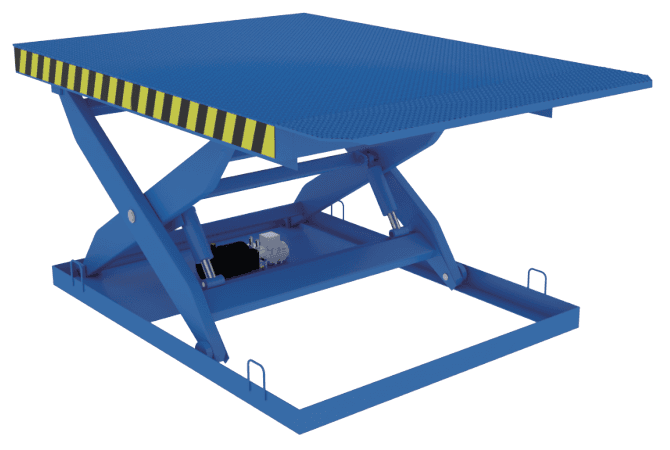
Consider a vertical loading transfer.
View equipment & selection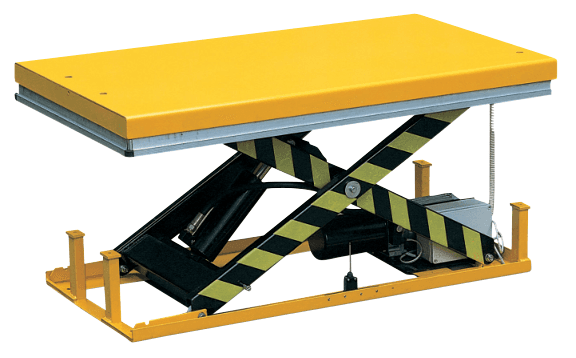
Bring work to the required height.
View equipment & selectionIdentify the equipment before replacing parts.
View equipment & selectionSupplier product illustrations. Final configuration is confirmed per project.
JBL Dock is a brand of Jin Bei Li Metal (Suzhou) Co., Ltd.
Bring your site questions, equipment requirements and replacement needs into one conversation. We focus on defining the scope and coordinating the information needed for the next decision.
About JBL DockStart with the application, vehicle and installation conditions.
Keep configuration decisions, interfaces and open questions traceable.
Agree the supply scope, document package and handover responsibilities.
Share the vehicle mix, loading method and information you already have.
A focused project briefReview the leveler, shelter, protection and building interfaces together.
A defined equipment scopeIdentify drawings, configuration choices and open technical questions.
A clear confirmation listAgree inspection records, packing, delivery scope and responsibilities.
An agreed document checklistThe scope, deliverables and responsible parties are agreed for each project.
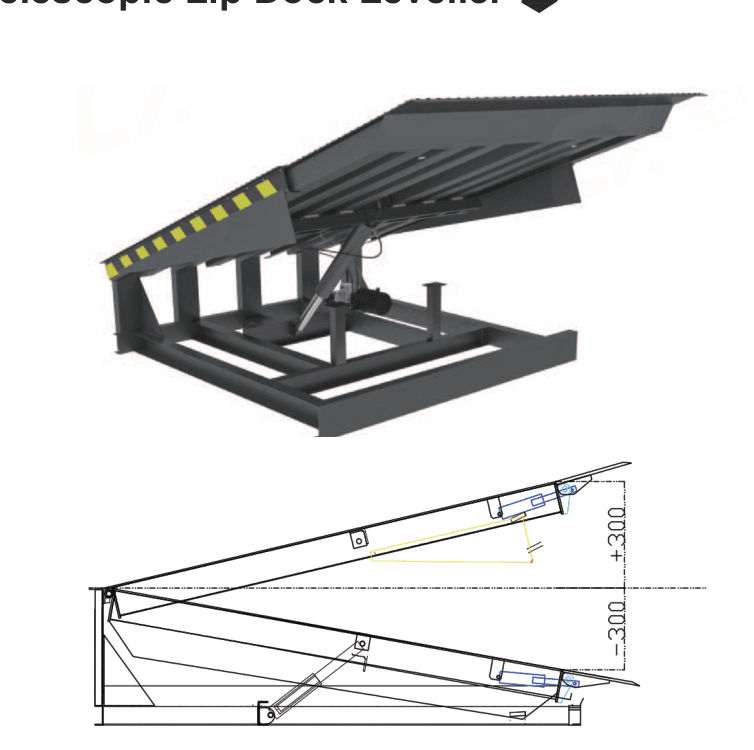
A hinged lip rotates outward from the deck; a telescopic lip extends from it. Selection depends on the vehicle interface, required reach, door arrangement and installation geometry rather than a universal preference for either type.
Read the guide →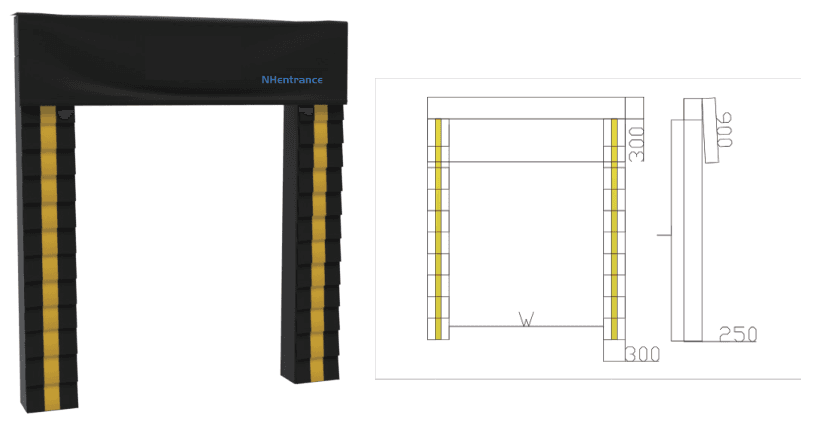
A foam dock seal uses compressible pads at the vehicle interface, while shelter arrangements use curtains or inflatable elements around the opening. Compare the vehicle fleet, contact geometry and operating conditions before choosing.
Read the guide →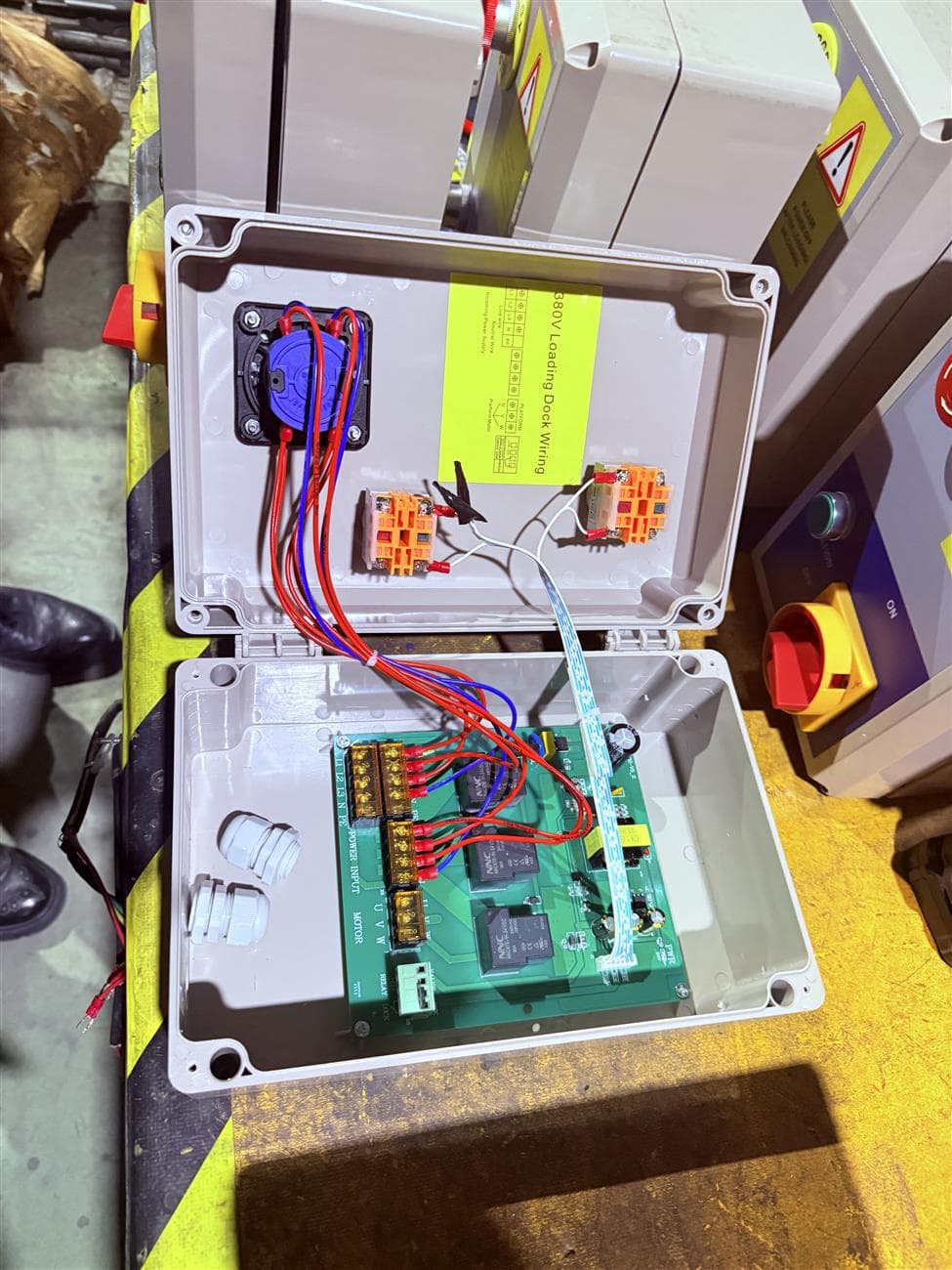
Start a dock spare parts enquiry with the equipment nameplate, a view of the complete assembly and close-up photos of the component. Include known dimensions and the required quantity. Appearance alone cannot confirm compatibility.
Read the guide →Drawings and complete specifications can follow. Tell us what you know about the site or the equipment you need.
Yes. Start with your question, the site location and any available photographs. Explain the loading process and what you want to change. Unknown measurements can be identified for follow-up.
Share the existing equipment identity, pit and opening measurements, and the vehicle range. Replacement compatibility needs to be checked against the actual installation.
Share the nameplate, a photo of the complete equipment and a close-up of the component, plus known dimensions and quantity. Identification and compatibility require review.