
 JD-2010
Mechanical Dock Shelter
A curtain shelter arrangement to match the opening and vehicle envelope.
Match the opening to your vehicle fleet. Start with the application and site interfaces, then confirm the equipment configuration.
Dock shelters and dock seals address the opening around a parked vehicle. Compare curtain, foam-pad and inflatable arrangements against the fleet dimensions and contact geometry; the product name alone does not establish sealing performance.
rear geometry, width and docking position.
opening and operating sequence.
mounting face, bumpers and replacement curtains or pads.
Planning paths to review, with suitability confirmed against the actual site.
| Equipment | Selection focus | Limitations to confirm |
|---|---|---|
| Mechanical Dock Shelter | A curtain shelter arrangement to match the opening and vehicle envelope. | Door opening and vehicle dimensions; Vehicle positioning; Curtain, foam or airbag arrangement. Do not select on product name alone. |
| Foam Dock Seal | A foam-pad sealing arrangement to assess against vehicle contact positions. | Door opening and vehicle dimensions; Vehicle positioning; Curtain, foam or airbag arrangement. Do not select on product name alone. |
| Inflatable Dock Shelter | Coordinate vehicle geometry, airbag configuration and shelter controls. | Door opening and vehicle dimensions; Vehicle positioning; Curtain, foam or airbag arrangement. Do not select on product name alone. |
JD-2010A curtain shelter arrangement to match the opening and vehicle envelope.
 JD-2011
A foam-pad sealing arrangement to assess against vehicle contact positions.
 JD-2012
Coordinate vehicle geometry, airbag configuration and shelter controls.
Quantity, site access, installation responsibilities and required documentation also affect the agreed scope. Price and delivery are confirmed against a defined configuration.
Agree the relevant dimensions, material or component identification, control requirements and inspection evidence. Use the latest drawing revision for interface checks.
Review our coordination processDoor opening and vehicle dimensions
Vehicle positioning
Curtain, foam or airbag arrangement
Door opening and vehicle dimensions, Vehicle positioning, Curtain, foam or airbag arrangement. Include drawings and photographs where available. Missing information should be identified explicitly so the supplier can confirm the relevant interface rather than assume it.
No. Supplier illustrations identify a product family. The equipment configuration, dimensions, controls and installation details must be agreed for the project before order.
Door requirements can be included in the project brief. JBL Entrance is our sister company for the door scope. Door and dock information remain separate while opening and control interfaces are coordinated.
Provide the original equipment identification, component photographs and dimensions. Supply availability and compatibility require confirmation; a similar appearance or product name is not sufficient to select a replacement.
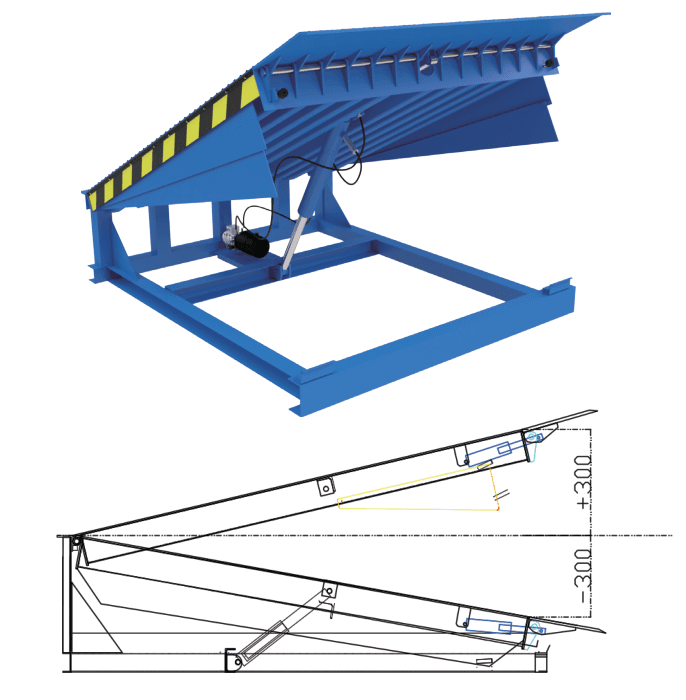
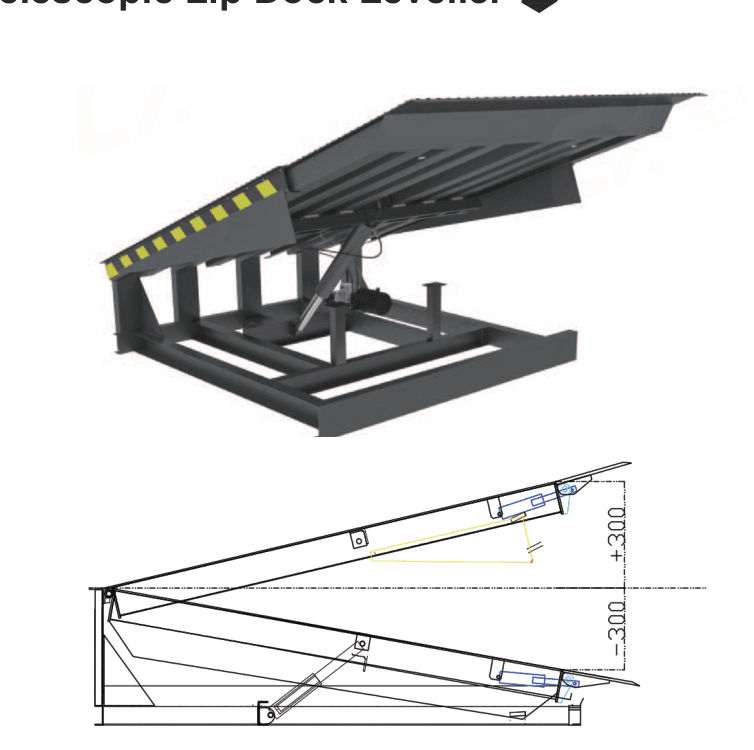
A hinged lip rotates outward from the deck; a telescopic lip extends from it. Selection depends on the vehicle interface, required reach, door arrangement and installation geometry rather than a universal preference for either type.
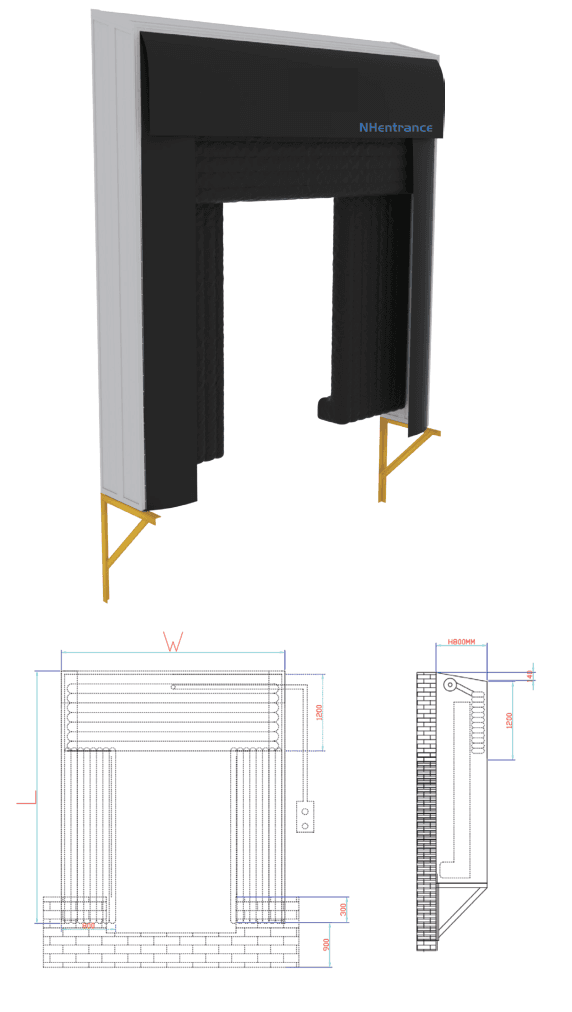
Plan the leveler, shelter, door and building interface together for a temperature-controlled loading bay. The equipment combination must reflect the vehicle range, operating sequence and required environmental separation.
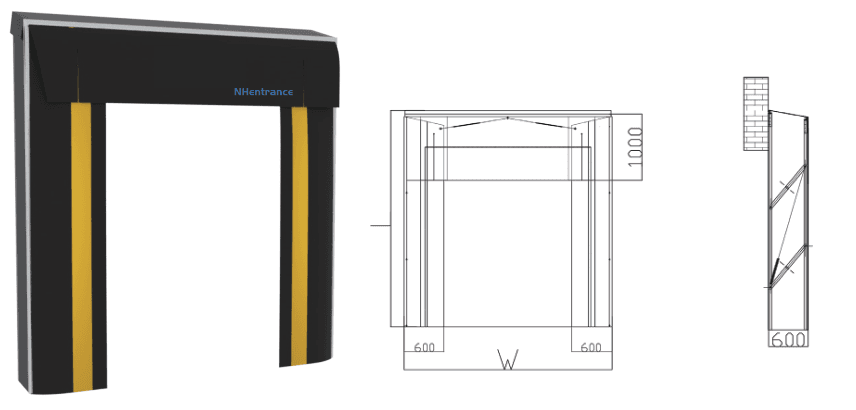
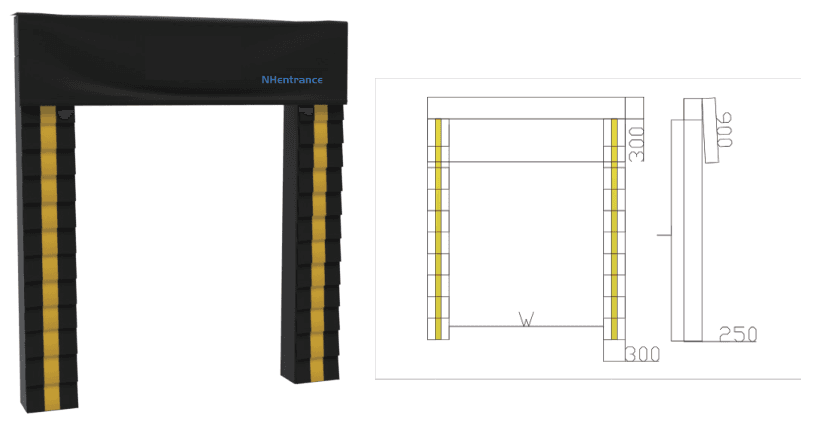
A foam dock seal uses compressible pads at the vehicle interface, while shelter arrangements use curtains or inflatable elements around the opening. Compare the vehicle fleet, contact geometry and operating conditions before choosing.
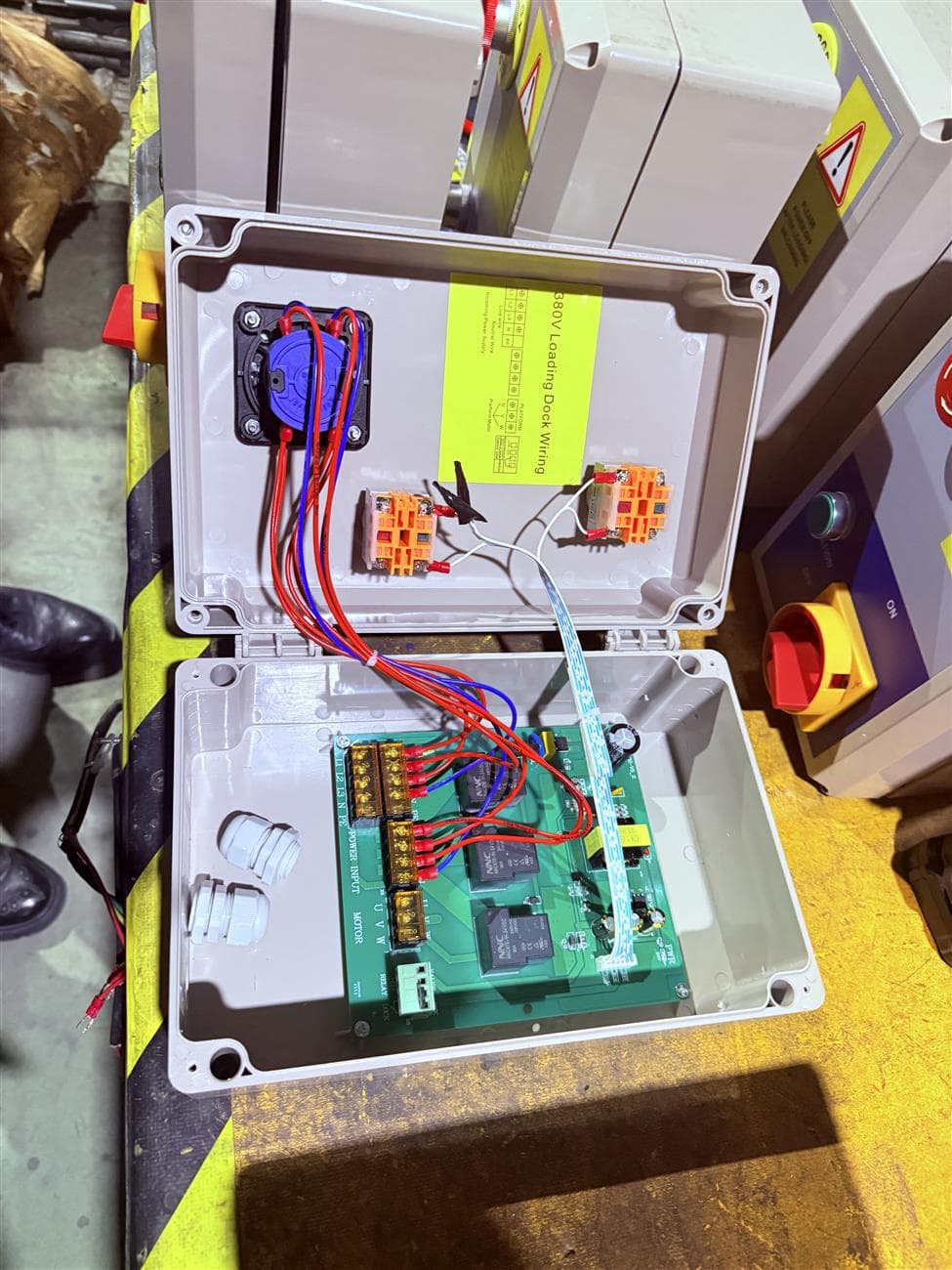
Start a dock spare parts enquiry with the equipment nameplate, a view of the complete assembly and close-up photos of the component. Include known dimensions and the required quantity. Appearance alone cannot confirm compatibility.
Identify the equipment before replacing parts.
Coordinate doors through JBL Entrance.
Source: JBL Dock Catalogue V1.2 (review edition) and website planning framework. Content reviewed for this draft: 17 October 2026. Technical values and configuration require project confirmation.