
Begin with the operating sequence
Describe when the door opens, how the vehicle is positioned and how the bridge is deployed. Clarify the movement of people and handling equipment. Operating conditions affect the choice of equipment and controls.
Practical selection and project-planning information. Final equipment details require project confirmation.
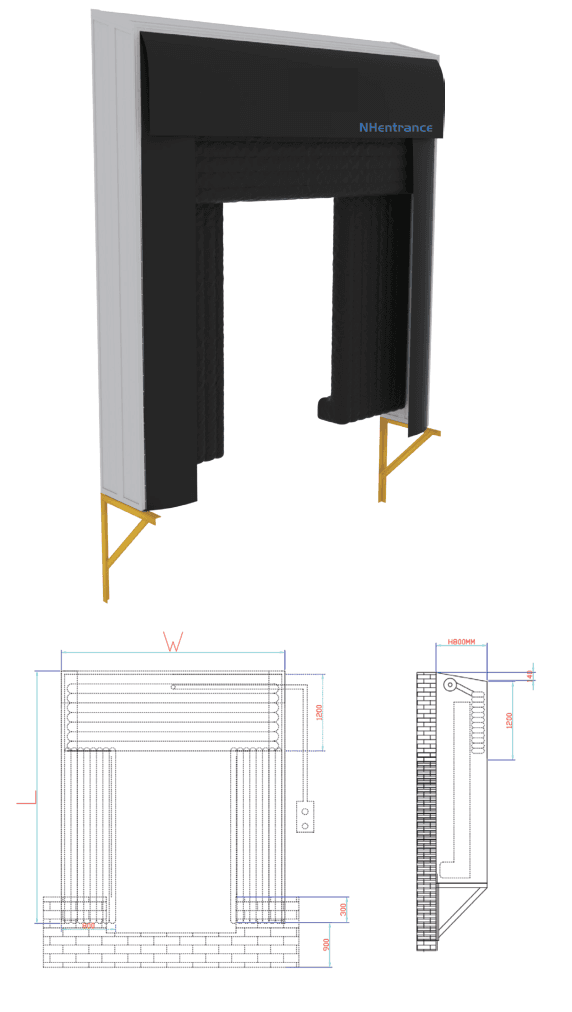
You want to reduce exposure during loading, but the bay contains several separate pieces of equipment. Start with the operating sequence and the boundary you need to maintain, then review the door, shelter and leveler together.
Plan the leveler, shelter, door and building interface together for a temperature-controlled loading bay. The equipment combination must reflect the vehicle range, operating sequence and required environmental separation.
Describe when the door opens, how the vehicle is positioned and how the bridge is deployed. Clarify the movement of people and handling equipment. Operating conditions affect the choice of equipment and controls.
Review where the door closes relative to the stored leveler and the building floor. Confirm frame and guide clearances as well as the shelter position. Coordinate door information with JBL Entrance while keeping the equipment responsibilities identifiable.
Provide vehicle dimensions and docking photographs. A foam, curtain or inflatable arrangement needs to be checked against the operating envelope. Avoid quoting sealing percentages without an applicable test method and evidence.
Agree the configuration, interface drawings and any applicable performance or compliance evidence. Record temperature conditions and responsibility for building insulation, installation and commissioning. The proposed layout remains a planning scenario until it is confirmed.
| Compare / record | Information to review | Decision or confirmation |
|---|---|---|
| Temperature conditions | Operating temperatures and exposure concerns | Provide project conditions rather than assume a performance rating. |
| Door closing line | Position relative to stored leveler | Check the complete section drawing. |
| Vehicle envelope | Frequent and occasional vehicle sizes | Assess the proposed shelter contact. |
| Controls | Door, platform and shelter sequence | Confirm the supplied control scope and interlocks. |
| Building envelope | Wall, floor and external enclosure | Assign insulation and structural design responsibility. |
A shelter selection alone cannot establish a whole-bay thermal result. The review catalogue does not substantiate its sealing percentages with an applicable test basis. Compare the confirmed geometry and operating sequence first; request evidence for any performance claim used in the project.
Catalogue basis: JBL Dock Loading Dock Equipment Catalogue V1.2, review edition, pages 6–7, 14, 18–20. Unresolved source entries are not approved specifications.
No. The vehicle fit, door and building interfaces, operation and applicable performance evidence must all be reviewed.
Share your question, site photos or equipment details. Mark anything you have not yet measured — you can begin without a complete specification.
Discuss your requirements →Source basis: JBL Dock Catalogue V1.2 review edition and the website planning framework. Product selection, installation and maintenance must follow the applicable equipment documents and project review. This guide does not establish certified performance or final dimensions.
← Browse all guides