Buying a Dock Leveler from China: What Should You Confirm Before Ordering?
JBL Dock · Loading dock guidesEditorial draft · Updated 18 October 2026
Practical selection and project-planning information. Final equipment details require project confirmation.
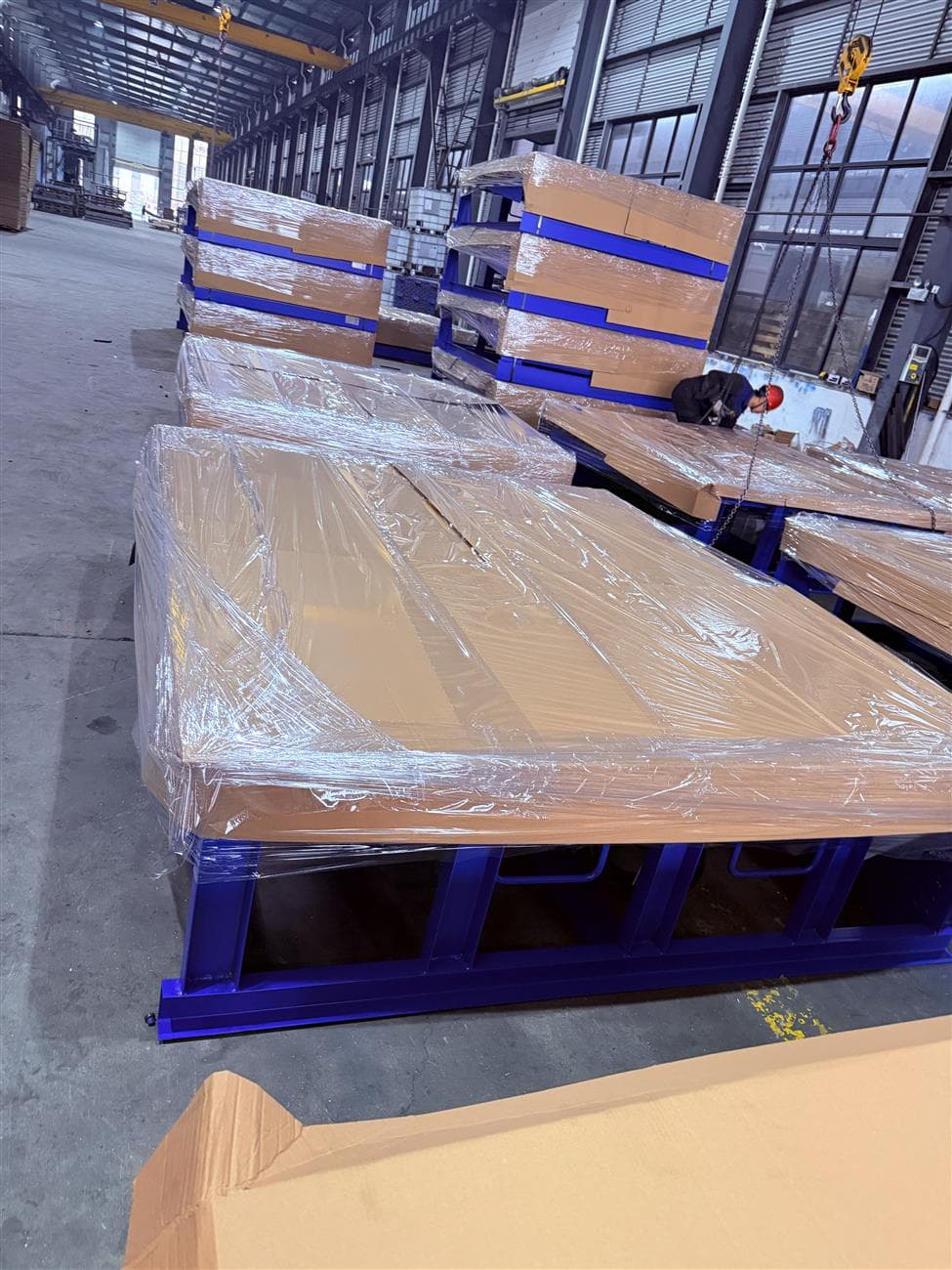
Supplier reference photo · Illustrative reference, not a completed JBL Dock project.
You have a loading bay to equip, a budget to work with and several quotations to compare. But suppliers are asking different questions—and you may not have a complete drawing yet. Start by describing the job the equipment needs to do. You can clarify the remaining details before confirming the order.
Short answer
Before ordering a dock leveler, confirm the site dimensions, vehicle height range, handling equipment, proposed configuration and supply scope. Then agree the drawings, inspection records and installation responsibilities. Mark missing information as “to be confirmed” rather than treating an assumption as an approved specification.
What information do you need for an initial enquiry?
You do not need a complete technical specification to begin. A short description, a site photograph and the dimensions you already know provide a useful starting point. Separate confirmed information from details that still need checking.
Information
What you can share
Why it helps
Project type
New loading bay or replacement
Establishes whether equipment must fit an existing installation.
Site location
Country and city
Identifies the destination for electrical, documentation and installation checks.
Loading bay
Layout, photos and available measurements
Shows space and surrounding interfaces.
Vehicles
Vehicle types and known bed-height range
Supports review of the transfer between dock and vehicle.
Handling method
Forklift, pallet truck or another method
Helps define operating requirements.
Quantity and timing
Approximate quantity and preferred schedule
Provides a basis for discussing project scope.
If the pit is not built yet, say so. Identify measurements taken from an old drawing separately from recent site measurements.
How do you compare quotations fairly?
Two quotations headed “hydraulic dock leveler” may include different equipment and responsibilities. Before comparing the totals, ask each supplier to describe the same scope.
Compare this
Question to ask
Equipment configuration
Which model, platform dimensions and lip arrangement are included?
Controls and electrical supply
Which controls are included, and what electrical supply are they designed for?
Accessories
Are bumpers, frames and specified accessories included or quoted separately?
Documentation
Which drawings, instructions and applicable conformity documents are included?
Inspection
What will be checked, against which requirements, and what records will be supplied?
Delivery and installation
Which transport, unloading, installation and commissioning activities are included?
A lower quotation may reflect a different scope. A higher quotation does not, by itself, demonstrate a better fit. Ask for exclusions and unresolved items in writing so that you can compare like for like.
Which interfaces need confirmation?
Review the leveler as part of the loading bay. The pit, vehicle position, bumpers, door, shelter and controls can affect how the selected equipment fits and operates. Check relevant interfaces together before approving the configuration.
For a new installation, establish who provides the equipment drawing and who confirms the civil works. For an existing bay, compare the actual installation with the proposed drawing. “Standard pit” is not enough to confirm compatibility.
The outcome should be a clear record of agreed interfaces and remaining actions.
Which drawing revision is being used?
Which dimensions have been checked on site?
Are surrounding equipment and clearances shown?
Who confirms foundations, anchors and embedded parts?
How will differences between the drawing and site be resolved?
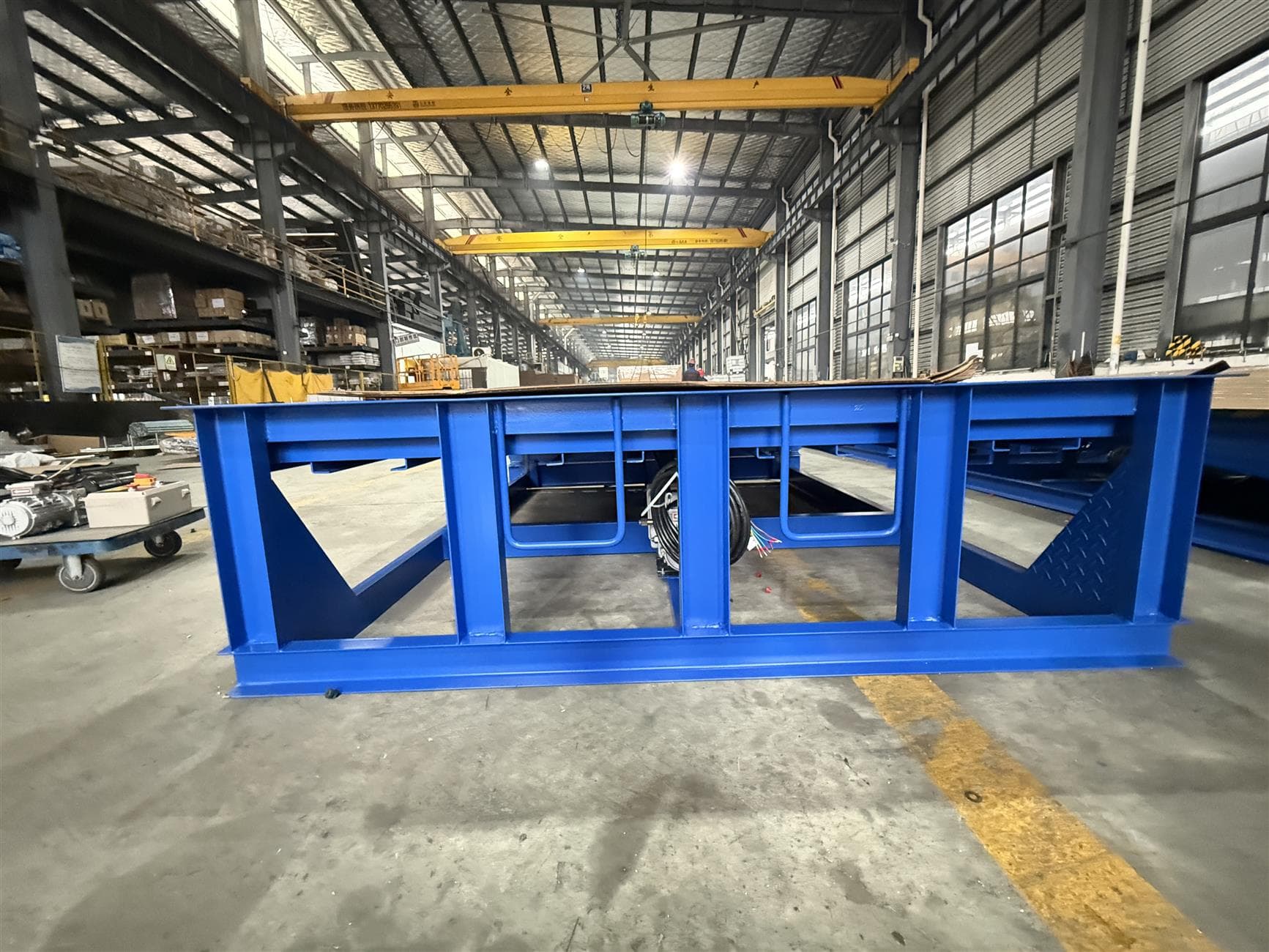
Supplier reference photo from the supplied hinged-lip leveler presentation. Not a completed JBL Dock project or an approved installation drawing.
What documents should you request?
Request documents for the configuration being offered. A general brochure explains a product family; it does not replace the drawing and specification for your order.
Where a certificate or test report is offered, ask which product and configuration it covers. Agree when each document will be available: civil-work information may be needed before final shipping documents.
Equipment identification and configuration.
A dimensioned drawing with a revision reference.
Electrical and control information.
Installation, operation and maintenance instructions.
Inspection requirements and the agreed record format.
Applicable conformity documents for the supplied configuration and destination.
Packing details and equipment identification for receiving checks.
What if you are replacing an existing leveler?
Begin with the installed equipment. Share its nameplate, an overall photograph, available drawings and the reason for replacement. Explain whether you need a similar arrangement or whether vehicles or handling equipment will change.
Matching pit dimensions alone does not confirm a replacement is suitable. Review the frame, mounting arrangement, vehicle interface, electrical supply and surrounding equipment.
Take photographs only from a safe position. Measurements requiring access beneath equipment should be arranged through qualified personnel using the applicable equipment procedures.
If you cannot read the nameplate or find the original drawing, say so. This distinguishes confirmed information from details that still need identification.
Frequently asked questions
These answers help you prepare an enquiry. Final selection requires review of the proposed equipment and your site.
Can I request a quotation without a drawing?
Yes. Start with your project description, photographs and known dimensions. An initial quotation should identify assumptions and details that need confirmation before ordering.
Is stated load capacity enough to select a dock leveler?
No. Capacity is one part of selection. Handling equipment, operating conditions, dimensions and the vehicle interface also need review against the proposed specification.
Can a new leveler fit our existing pit?
Possibly, but compatibility needs checking against the actual installation and proposed drawing. A matching product name or nominal size is not sufficient.
Should I choose a hinged lip or a telescopic lip?
Compare the required vehicle interface, reach and operating arrangement. Ask why the proposed lip design suits your bay rather than selecting it from the name alone.
What should be agreed before production?
Confirm the configuration, approved drawing revision, supply scope, required documentation and inspection arrangements. Record unresolved items and who is responsible for closing them.
A simple message to start your enquiry
Copy and adapt the example below. Not every field needs an answer today. Share what you know and explain what you are unsure about.
Hello JBL Dock,
We need a dock leveler for a [new / existing] loading bay in [country]. We use [handling equipment] and mainly serve [vehicle types].
We have [photos / a layout / some measurements], but need help confirming [the equipment type / pit requirements / replacement fit].
Please let us know which information would be useful next.
Start with the information you have.
Share your question, site photos or equipment details. Mark anything you have not yet measured — you can begin without a complete specification.
Source basis: JBL Dock Catalogue V1.2 review edition and the website planning framework. Product selection, installation and maintenance must follow the applicable equipment documents and project review. This guide does not establish certified performance or final dimensions.
Tell me what you would like to build, replace or improve—even if you are not sure which equipment you need. A short message or a photo is a good place to start.
I can help you clarify your requirements and identify the details to check, so you can compare options with a clearer understanding. You do not need a complete drawing or specification to get in touch.